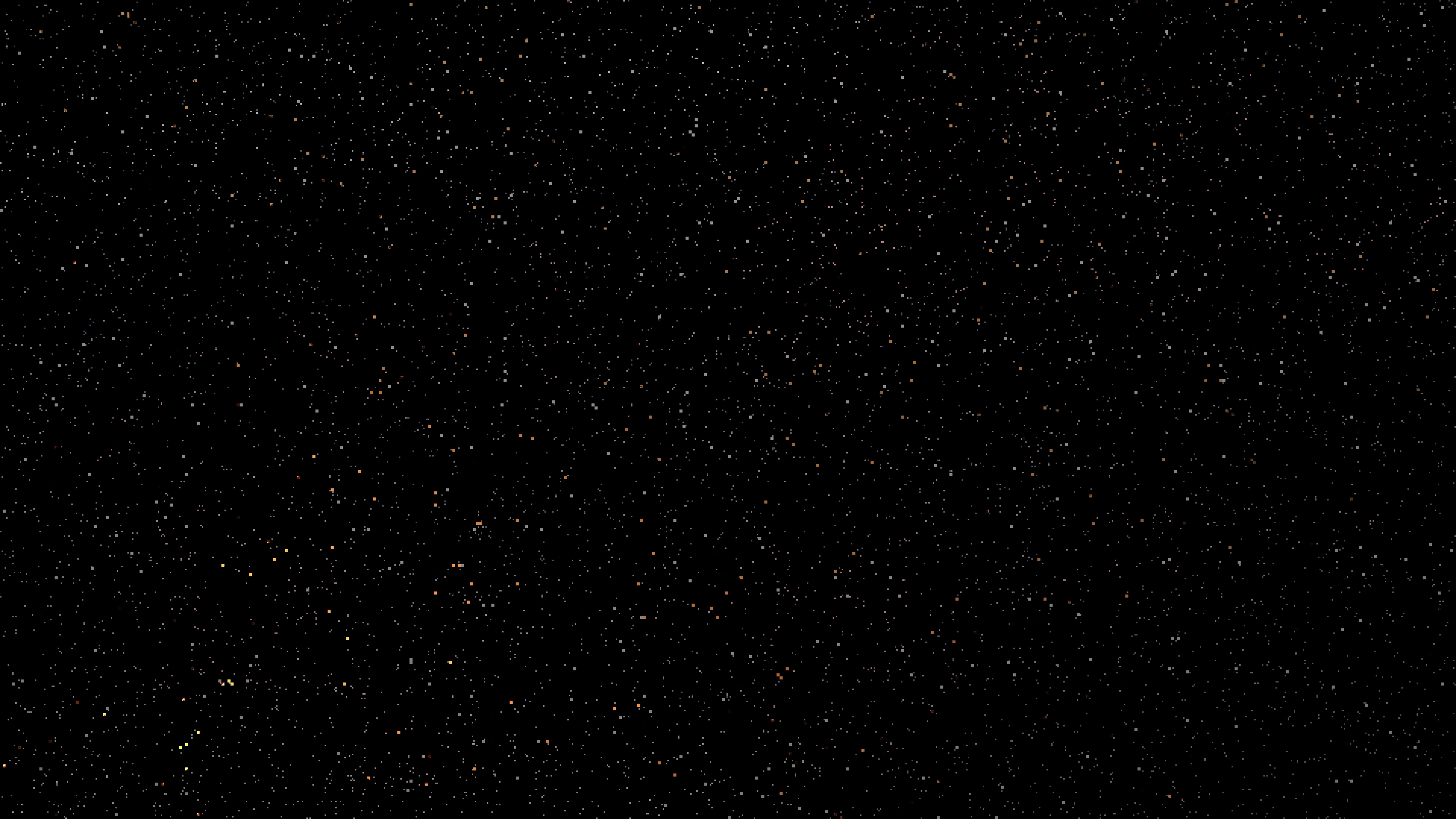
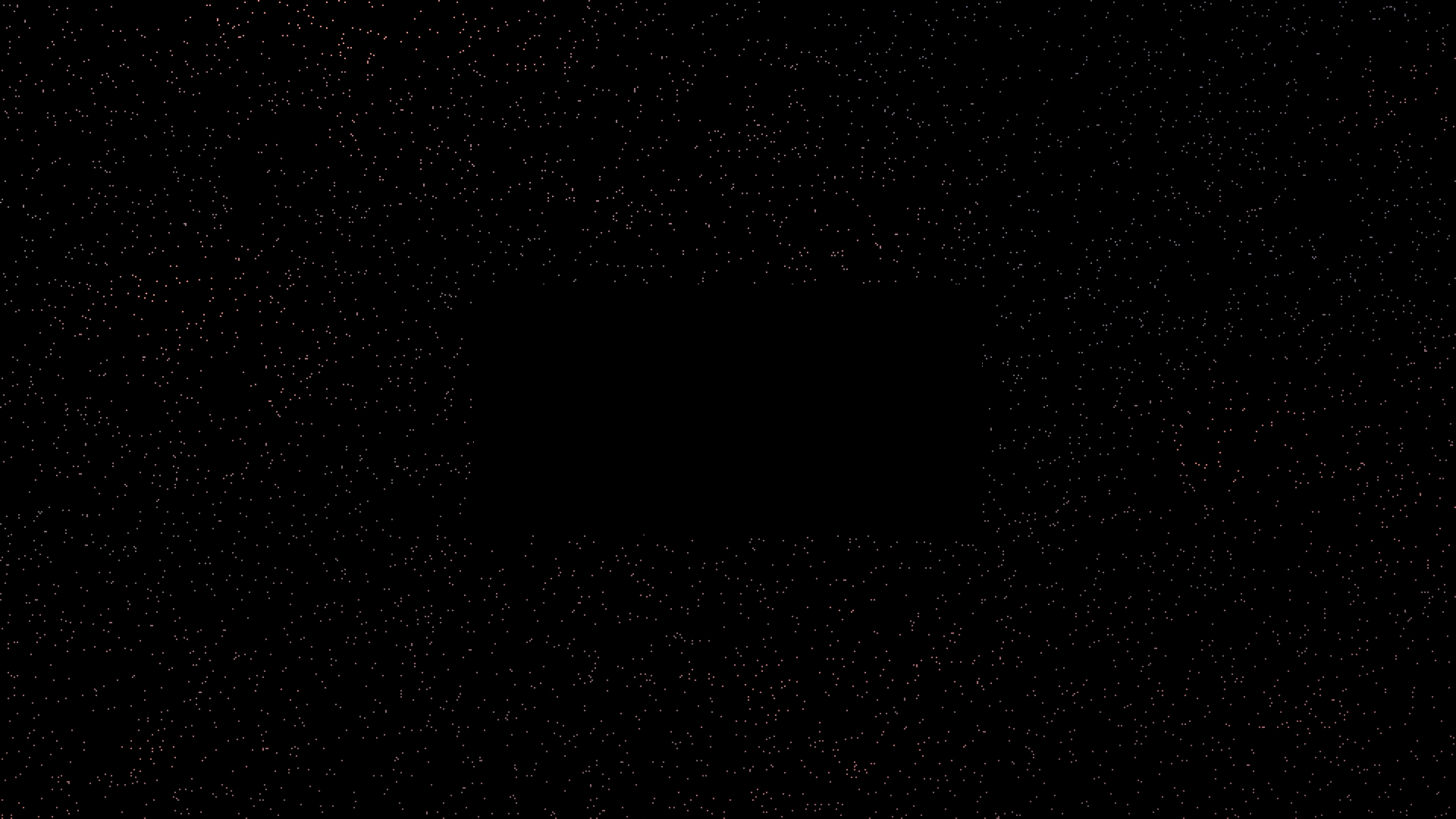
untitled (clouds)
"Through manipulations of density, processes such as coalescence (cloud formation), and evaporation (cloud disintegration) can occur in sonic form." - CR
2026 / digital / 9min / colour / silent
notes ⇲
excerpt from: content
it is worth noting that although i’d been thinking about this synthesis/sampling process for a long time, the ideas clarified in my head during an xcentric screening of experimental animation. as is often the case with these screenings, there’s some wonderful work presented, but also an equal amount of stuff that does not connect. this type of experimental animation often leans toward the latter for me, but this screening emphasised to me how so much of the work is so focussed on continuity between frames it rarely feels formally experimental. abstract imagery =/= experimental animation.
the absolute highlight of that xcentric screening - and what pushed this all from a few notes i should think about at some point to actually writing and starting to make something - was Apparent Motion (1975), which i noted was a granular resynthesis of Sharits’ earlier work, smearing his hard cut colour field flickers into a pointillistic play of time.
granular synthesis exists as it’s own sort of integration of sampling and synthesis, basically taking samples so small that they can repeat or accumulate as their own synthetic waveforms. Microsound by Curtis Roads is a text i’ve gone back to across many film and music projects and seeing this Sharits work made me want to make something else digging specifically into both of these things on a digital canvas. Sharits uses the film grain where we can use the pixel. the difference, that means i won’t be producing a cover version of his film, is the control we have over the pixel. on a film print, the grain is the image. digital images emerge from the pixel, but the pixel is a fixed point of data that can be detached from the image. clouds of these points can be used to synthesise something new.